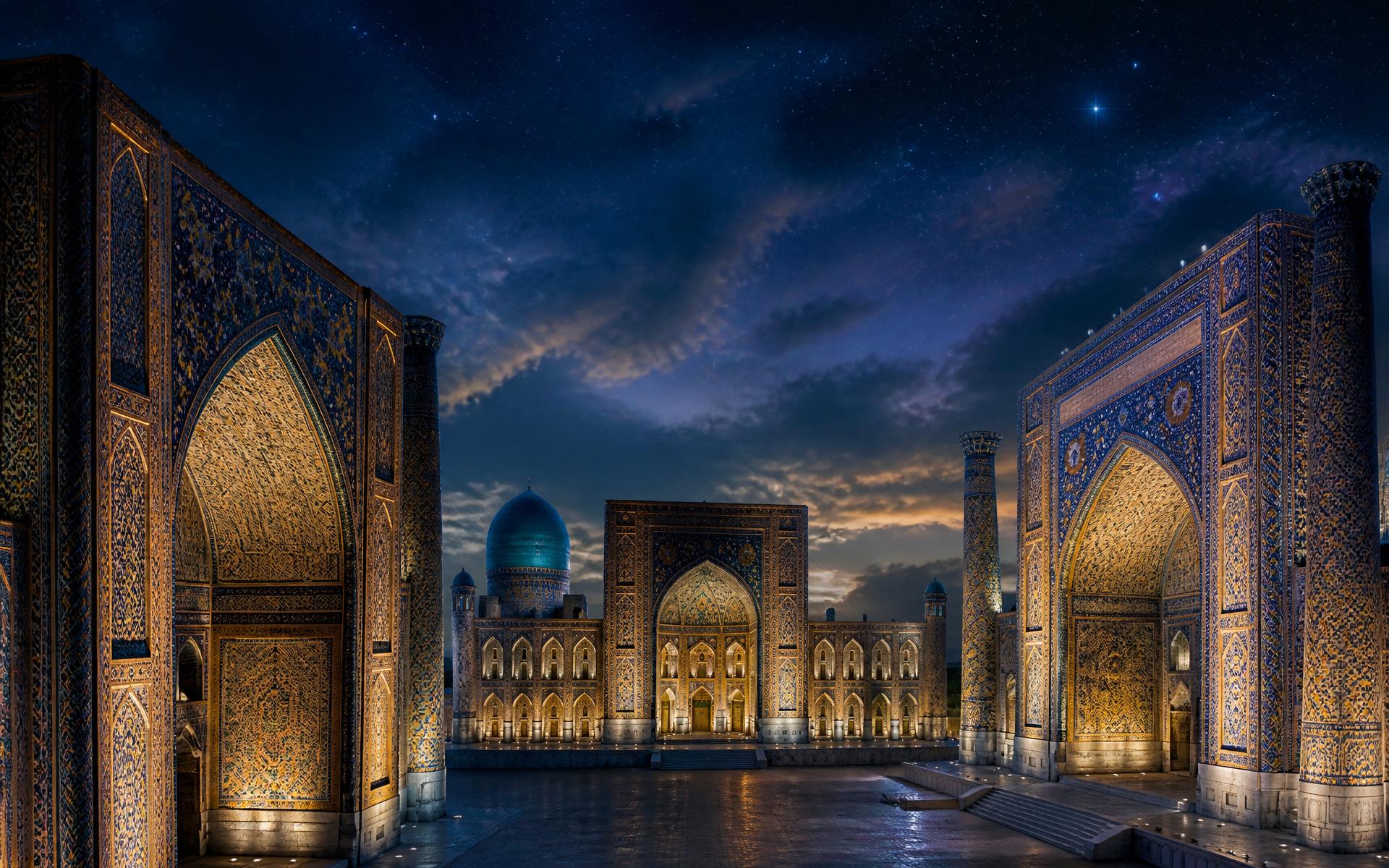
Sufi Atlas
Central Asian Sufi traditions gathered through lineages, masters, sacred sites, manuscripts, intellectual history, and living communities.
Sufi houses of the sober and the ecstatic
From the loud Turkic dhikr of the steppe to the silent engraved remembrance of Bukhara — five doorways into the Central Asian path.
Kubrawiyya
A Khwarazmian path whose descendants crossed the Silk Roads
Yasaviyya
A Turkic voice becoming poetry, communities, shrines, and sacred memory
Khwājagān
The path of the masters and the eight sacred sayings
Naqshbandiyya
The path of the silent engraved remembrance
Nursafardiyya
A living Central Asian path of healing, martial arts and Zikr
Shrines of the Silk Road
The path is carried by cities. From Bukhara to Turkistan, each dome and threshold is a memory of the friends of God.
- Near BukharaUzbekistan
- SamarkandUzbekistan
- TurkistanKazakhstan
- SayramKazakhstan
- Kunya-UrgenchTurkmenistan
- MervTurkmenistan
- GhujduwanUzbekistan
- KhivaUzbekistan
- Kulob regionTajikistan
- BalkhAfghanistan
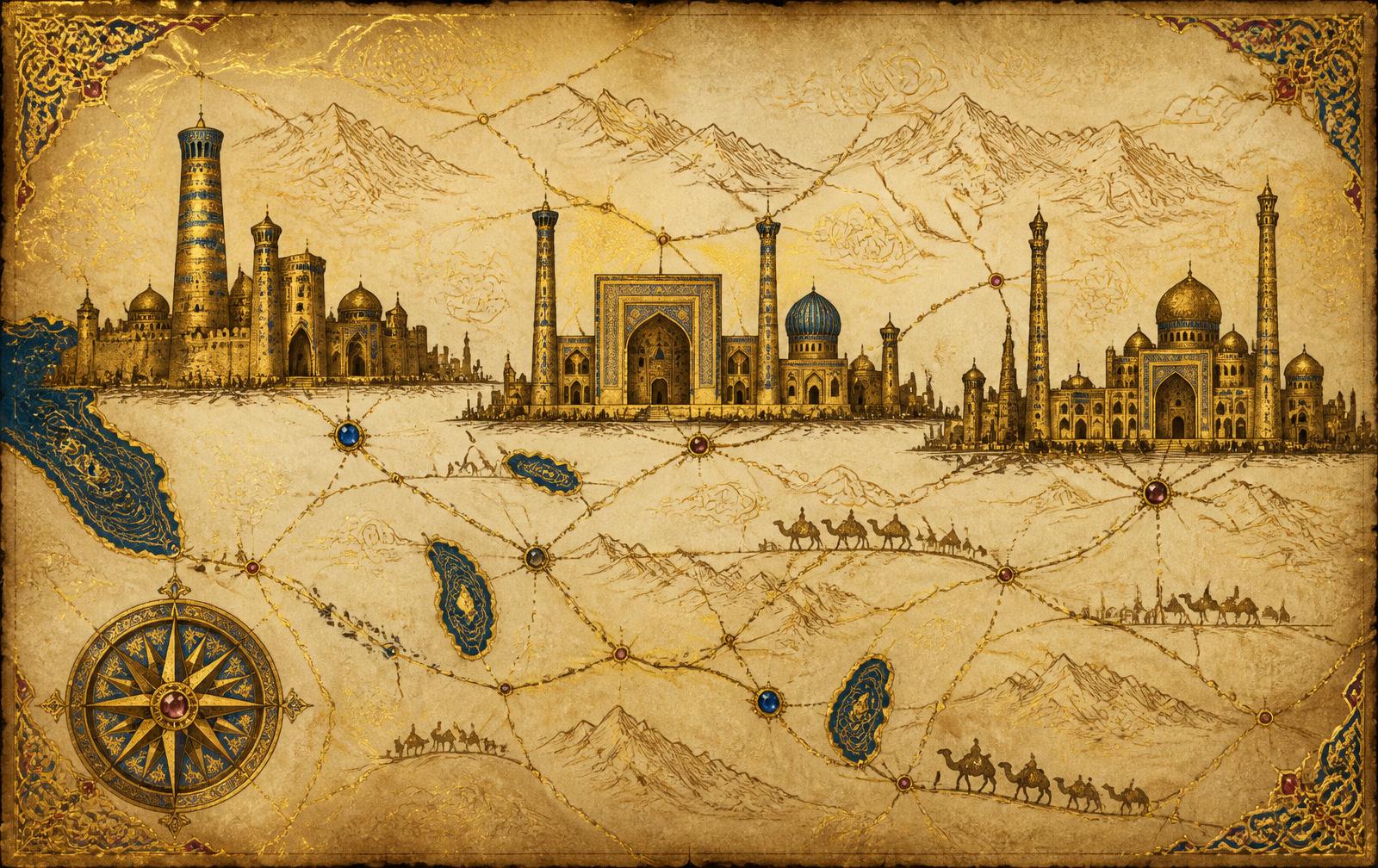
A dignified index of the friends of God
Poets, martyrs, jurists, healers — the human faces of the tradition, from Ahmad Yasawī on the steppe to Bahāʾ al-Dīn at Qasr-i ʿĀrifān.
A searchable archive of Central Asian Sufi texts
PDFs, EPUBs, translations, manuscripts, guides, articles and audio — filtered by order, language, author, century, topic and format.
Enter the Library- PDFAvailable
- EPUBAvailable
- ManuscriptAvailable
- BrochureAvailable
- AudioAvailable
- VideoAvailable
The Nursafardiyya
A contemporary Uzbek Sufi path of Zikr, Sema, breathwork, sacred letters, traditional healing, herbal wellness and martial arts — carried in the wider inheritance of the Yasawiyya tradition.