The steppe and the oasis
Why Sayram, Otrar, Yasi, Bukhara, and Khwarazm formed more than a background to the tradition.
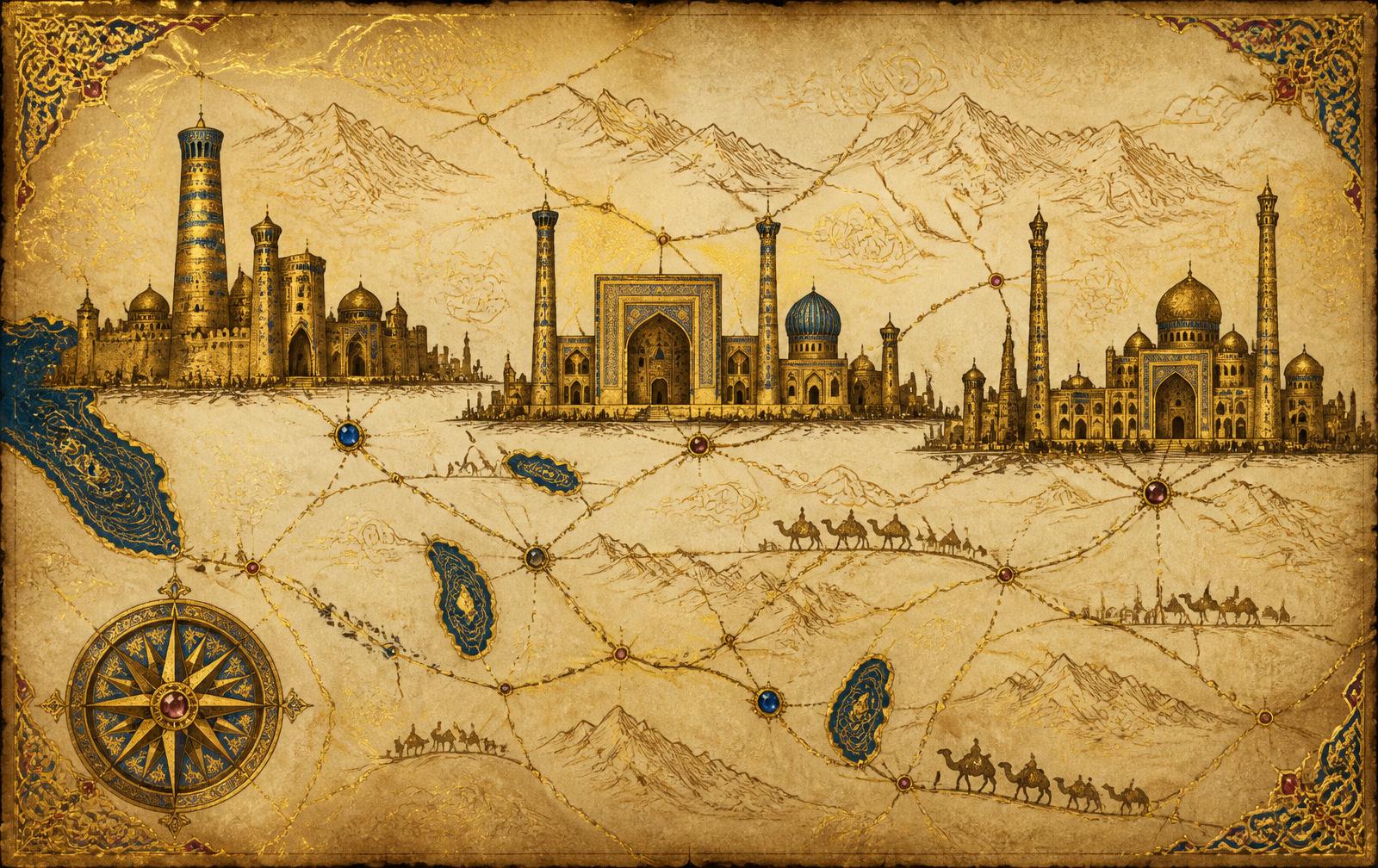
Study the histories, writings, geographies, and living afterlives of Central Asian Sufi traditions through sources whose origins and limits remain visible.
Historical and textual education only. The Academy is not a tariqa and does not offer initiation, ritual authorization, personalized spiritual direction, or clinical care.
A five-part guided study of how a Turkic devotional voice became a path, a textual tradition, a network of communities, and a sacred geography. This preview teaches historical method and source literacy; it does not teach private devotional practice.
Why Sayram, Otrar, Yasi, Bukhara, and Khwarazm formed more than a background to the tradition.
How to honour the Arslan Baba narratives while distinguishing them from contemporary biography.
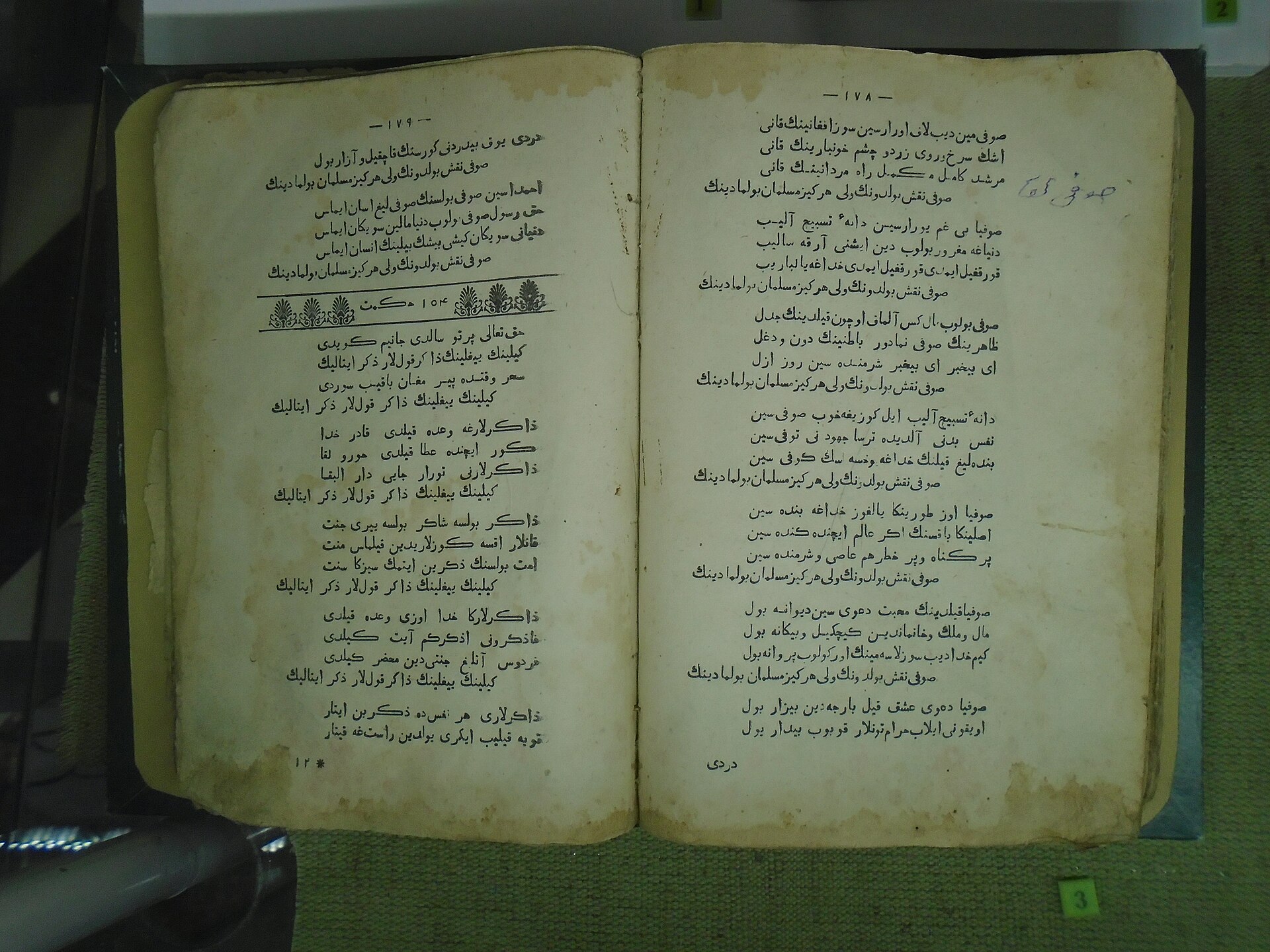
A guided comparison of manuscript culture, the 1904 and 1912 Kazan printings, and modern Uzbek editions.
Mansur Ata, Said Ata, Danishmand, and Hakim Ata as different forms of descent and transmission.
How the Timurid mausoleum, pilgrimage, architecture, and public memory continued the order's life.
The manuscript, historical printing, object, or documented testimony itself.
A readable rendering that records uncertainty rather than repairing it invisibly.
A new-language reading accountable to the wording and structure of its source.
Historical, linguistic, Qur'anic, and Sufi context kept distinct from the translated voice.
A learning experience that cites all four earlier layers and never erases their boundaries.
| Track | State | Next gate |
|---|---|---|
| Kubrawiyya | Pilot being prepared | Independent textual and scholarly review |
| Yasawiyya | Historical preview ready | Hikmet collation and language review |
| Khwajagan-Naqshbandiyya | Research dossier | Formative Persian primary sources |
| Comparative seminars | Closed | Two order tracks must pass review |
| Sufi medicine | Withheld | Textual, rights, medical, and safety review |
The planned AI study companion will retrieve approved sources, cite substantive answers, identify uncertainty, and refuse the roles of shaykh, mufti, therapist, physician, and initiator. No learner-facing AI is active on this page.
The Academy is being assembled from the Atlas research library, controlled translations, and independent review. Courses open only after their sources, rights, reviewers, accessibility, and safety controls are ready. This preview collects no enrollment or payment information.