12th c. CE — Turkistan (Yasi)
Yasaviyya
The Turkic path of the loud dhikr and the wandering dervish
Overview
The Yasaviyya emerged from the Turkic steppe under Khwāja Aḥmad Yasawī of Yasi (modern Turkistan). It is celebrated for its vernacular Ḥikam poetry and its role in the Islamisation of the Turkic peoples of Inner Asia.
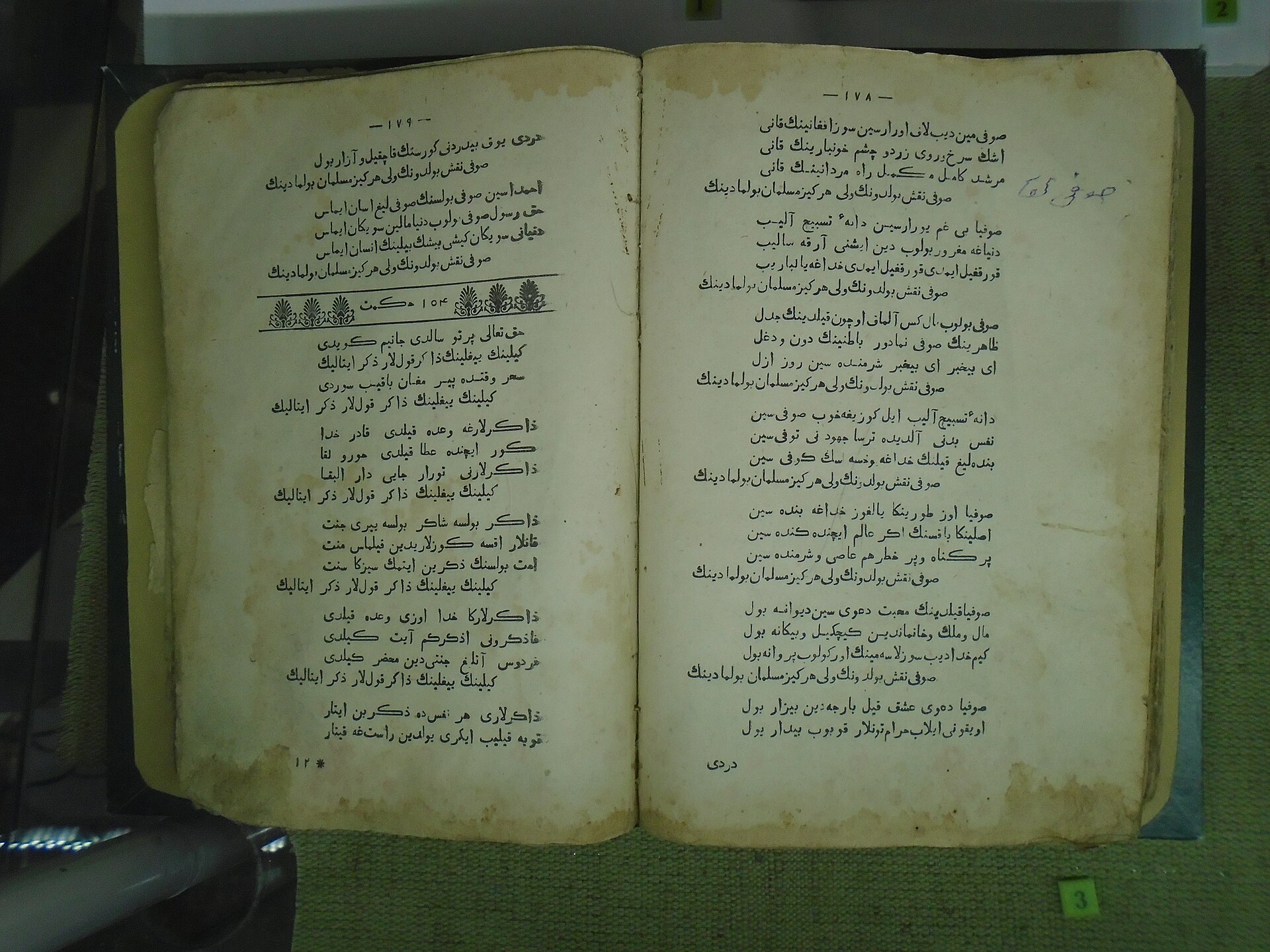
Core teachings
- ◆The pedagogy of the ḥikma (wise verse)
- ◆Detachment from the world (zuhd)
- ◆Turkic vernacular transmission of Sufi doctrine
Practices
- ◆Loud dhikr of the saw (dhikr-i arra)
- ◆Sacred wandering (safar)
- ◆Underground chilla-khāna retreat
Key texts
- Dīwān-i ḤikmatAḥmad Yasawī
Living legacy
The Yasaviyya's influence radiated through the Bektashī order of Anatolia and remains a foundational memory of Turkic Sufism honoured today across Kazakhstan, Uzbekistan and Turkey.
Scholarly note
The immense mausoleum built by Timur at Yasi (Turkistan) remains one of the greatest architectural expressions of a Sufi shrine.